
Why Fall Is the Best Season for Roof Repairs: A Guide for Homeowners
Originally published: 9/10/2025 2:25:00 AM

If you’ve ever wondered, “What is the best season for roof repair?” the short, practical answer is fall. While roof work can happen year-round, autumn consistently offers the most favorable blend of weather, material performance, safety, scheduling, and long-term value.
Below is a comprehensive guide explaining why fall stands out for roof repairs, and what to do if you can’t wait.
Why Fall Is Ideal for Roof Repairs and Replacements
Stable, Moderate Weather Helps Materials Perform
Roofing materials, especially asphalt shingles, adhesives, sealants, and underlayments, perform best in moderate, dry conditions. In the heat of summer, shingles can become overly soft, making scuffing more likely and complicating precise installation. In the bitter cold of winter, shingles may become brittle, adhesives can take longer to cure, and tools and compressors don’t behave as consistently.
Fall’s cooler, steadier temperatures promote:
- Reliable sealing and curing. Self-sealing strips and roof cements bond more predictably when not subjected to temperature extremes.
- Dimensional stability. Many materials expand and contract less in moderate weather, which aids alignment and fastening accuracy.
- Cleaner work and better detail. Flashings, ridge vents, and penetrations are easier to detail when components aren’t excessively hot or rigid from the cold.
Drier Air and Fewer Storms Improve Install Quality
Late spring and summer often bring convective thunderstorms and humidity; winter brings ice and snow. Autumn tends to deliver more dry days with fewer disruptive downpours.
Dry decks are essential: installing over damp sheathing is a recipe for trapped moisture, which can lead to rot or mold. Fall’s calmer weather windows give crews time to open, repair, and re-dry the deck (if needed), then install the system properly without rushing.
Safer Working Conditions for Crews
Roof work is strenuous and exposed. Fall’s cool air reduces heat stress, sweat-related slip hazards, and the risk of dehydration. Conversely, winter can introduce ice, frost, and early dusk, none of which are ideal for roof safety. Safer conditions generally translate into better workmanship and fewer delays.
Get Repairs Done Before Freeze–Thaw Cycles Start
Small roof issues become big ones once the freeze–thaw cycle starts. Water seeps into tiny gaps, freezes, expands, and turns hairline cracks into leaks. Addressing loose shingles, compromised flashing, or worn sealant in the fall helps your roof face winter with a clean bill of health. You also reduce the risk of mid-winter emergencies when access, materials, and scheduling are more difficult.
Optimize Comfort and Utility Costs for Winter
Your roof is part of a larger system that includes attic ventilation and insulation. Fall is a smart time to correct ventilation imbalances and air-sealing gaps while the roof is open.
Done right, this can stabilize attic temperatures, mitigate ice dams, and help reduce heating costs through the colder months.
Clear Out Debris and Reset Your Drainage
Autumn leaf fall can clog gutters and valleys. Bundling gutter cleaning, guard installation, or downspout extensions with roof work sets your home up for winter storms. Good drainage reduces ice buildup and prevents water from backing up under shingles.
Leverage Post-Summer Storm Inspections and Claims
In many regions, late summer brings hail and wind. Fall is the perfect time for a professional inspection to spot storm-related damage and, if applicable, guide you through an insurance claim while the incident is fresh and before winter compounds the issues.
But What If You Can’t Wait Until Fall?
- Spring: The second-best window for many regions. Temperatures are climbing, materials respond well, and it’s before extreme summer heat. Spring can be rainy, so schedule flexibility helps.
- Summer: Work is absolutely possible, but heat can affect material handling and crew comfort. Early morning start times are common to beat the heat, and popular contractors may be booked.
- Winter: Emergency repairs happen all the time in winter. Specialized techniques, like warming materials, staging shorter sections, or using cold-weather products, can make it workable. Full replacements are more complex, but still feasible with an experienced crew and cooperative weather windows.
TL;DR: If the roof is leaking or structurally compromised, the best season is right now, don’t wait. For planned upgrades or replacements, fall is the sweet spot.
Signs You Should Schedule Fall Roof Work
- Curled, cracked, or missing shingles, especially around hips, ridges, and valleys
- Granule loss gathering in gutters or at downspout exits
- Rust or gaps at flashing (chimneys, skylights, walls, pipe boots)
- Attic issues: visible sunlight through the deck, damp insulation, mildew odor
- Ceiling stains, peeling paint, or unexplained interior moisture
- Ice dams last winter (a strong hint that ventilation/insulation needs attention)
- Roof nearing its service life (common asphalt shingles often last 15–30 years depending on quality and conditions)
If any of these sound familiar, a fall inspection and plan is smart.
Frequently Asked Questions About Fall Roof Repairs
Is fall truly the best season for roof work?
For planned projects, yes, in most climates. Moderate temperatures, fewer storms, improved safety, and pre-winter readiness give fall a clear edge. That said, a competent roofer can complete quality work in any season when conditions allow.
How late into fall can I schedule a replacement?
It depends on your region. In many areas, early to mid-fall is ideal, and late fall is often still viable if daytime temperatures and weather windows cooperate. A local contractor understands seasonal cutoffs and can advise based on forecasts and historical patterns.
What if my roof leaks in winter?
Don’t wait. Emergency repairs should be done immediately to prevent interior damage. Temporary measures (like targeted patching or tarping) can stabilize things until a fuller repair or replacement can be safely completed.
Are there roofing materials that are more “fall-friendly”?
Most materials benefit from fall conditions. Asphalt shingles especially like moderate temperatures for accurate fastening and predictable sealing. Metal roofing and single-ply membranes can also go down in fall with good results. Tile and slate installations may require extra planning for handling and fastening regardless of season, but fall’s stability still helps.
Can I replace just part of my roof in the fall?
Yes. Many homeowners pair targeted repairs with preventive maintenance: fixing damaged areas, replacing failing flashings, adding ice-and-water shield to eaves, tuning up ventilation, and cleaning or upgrading gutters—then scheduling a full replacement in a future season if needed.
How do I know whether to repair or replace?
Consider age, extent of damage, past history of leaks, and the cost benefit. If the roof is young and damage is localized, repair is sensible. If it’s near end-of-life or repeatedly leaking, a full roof replacement can be more cost-effective and offers a clean slate with modern underlayments, ventilation, and warranties.
Will a fall roof job help with winter energy savings?
Indirectly, yes. A properly installed roof with balanced ventilation and solid air-sealing helps control attic temperature, reducing ice-dam risk and making your heating system’s job easier. You can also coordinate insulation upgrades in the attic for additional savings.
How far in advance should I book a roofer in the fall?
As early as you can. Fall calendars fill quickly. Book inspections and estimates in late summer or early fall to secure a spot, especially for full replacements.
A Fall Roof Checklist You Can Use
- Schedule a professional inspection (summer storms may have caused damage).
- Decide repair vs. replacement based on age and condition.
- Request written estimates with clear scope, materials, and warranties.
- Ask about ventilation, flashing, and ice-and-water shield—not just shingles.
- Bundle gutter cleaning/guards with the project.
- Confirm permits and HOA requirements, if applicable.
- Plan for property protection and cleanup (tarps, magnet sweep, debris removal).
- Lock in your start date before the first freeze.
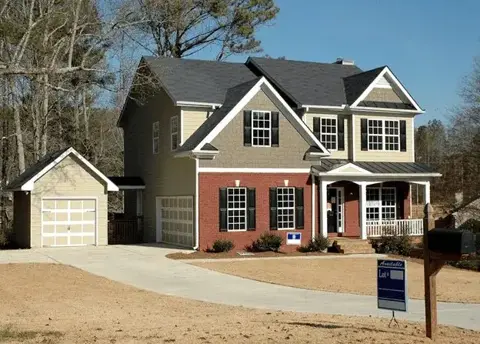
The Takeaway: Fall Wins for Planned Work (But Don’t Delay Emergencies)
So, what is the best season for roof repair?:
- For planned, non-urgent repairs and replacements, fall is best. You’ll benefit from moderate weather, material performance, safer working conditions, and the peace of mind of heading into winter with a tight, dry roof.
- For urgent problems, the best season is now—a small leak can become a costly structural issue if neglected, regardless of the calendar.
A reliable local roofing company like ours will help you assess your roof honestly, explain options in plain language, and execute a plan that fits your timeline and budget.
If you can, schedule in the fall; if you can’t, lean on experienced pros like us who know how to deliver quality work in whatever season you’re facing. Your roof, your home, and your winter utility bills will thank you. For homeowners located in and around Indianapolis, our experts here at Roof Masters & Exteriors can help you tackle your roof repairs this fall. Just give us a call to get started.