
How Roof Ice Damage Happens And What You Can Do About It
Originally published: 2/27/2026 1:40:00 AM
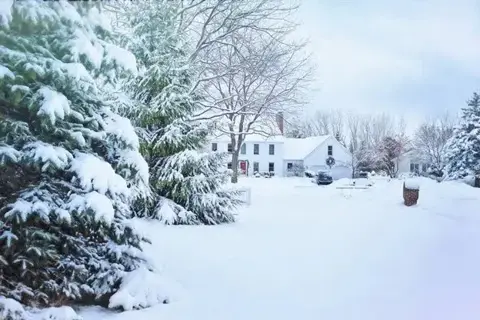
Winter weather can be deceptively destructive. While snow often gets the most attention, roof ice damage is one of the most common and costly cold-weather problems homeowners face. Ice doesn’t just sit harmlessly on your roof; it expands, shifts, refreezes, and forces its way into places water was never meant to go. Over time, this can compromise shingles, siding, underlayment, and even the structure beneath.
Understanding how ice causes damage, what warning signs to watch for, and when to call a professional roof repair company like us can save you from expensive repairs and long-term issues that may not be obvious until spring.
Why Ice Is So Hard on Roofs and Siding
Ice behaves differently than snow. Snow is relatively light and static, but ice forms through repeated melting and refreezing cycles. These cycles create pressure, movement, and water intrusion, all enemies of a weather-tight home exterior.
The most common causes of roof ice damage include:
- Temperature fluctuations that melt snow during the day and refreeze it at night
- Poor attic insulation allowing heat to escape through the roof
- Inadequate ventilation that creates uneven roof temperatures
- Blocked gutters that trap melting snow and refreeze it along the eaves
Once ice forms, it tends to worsen itself. Ice dams trap more water, which leads to more freezing, which creates even larger ice formations.
How Ice Damages Roof Shingles
Shingles are designed to shed water downward, not to hold standing water or resist upward pressure. Ice interferes with that design in several ways.
Ice Dams and Water Backup
One of the most serious forms of roof ice damage is the formation of ice dams along roof edges. These occur when melting snow runs down the roof and refreezes at the colder eaves. As the ice dam grows, it blocks additional meltwater from draining properly.
That water has nowhere to go except back up under the shingles.
When this happens:
- Water can seep beneath shingles and underlayment
- Moisture may reach roof decking or attic spaces
- Leaks can appear far from the actual ice dam location
Even a small amount of water intrusion can weaken shingle adhesives and shorten their lifespan.
Shingle Lifting and Cracking
Ice expands as it freezes. When water penetrates tiny gaps between shingles and freezes overnight, it can force shingles upward. Over time, this repeated expansion and contraction can:
- Break shingle seals
- Cause corners or edges to lift
- Create cracks in asphalt shingles
- Loosen fasteners beneath the shingle surface
Once shingles are lifted or cracked, they become more vulnerable to wind damage and future leaks.
Granule Loss
Asphalt shingles rely on protective granules to shield them from UV exposure and weathering. Ice sliding off the roof—or being mechanically removed—can scrape granules away. Heavy ice movement can accelerate wear, making shingles age prematurely even if they are relatively new.
How Roof Ice Damage Affects Siding
Roof ice damage doesn’t stop at the roofline. Ice buildup along eaves and gutters often extends downward, putting siding at risk as well.
Water Intrusion Behind Siding Panels
When ice dams cause water to overflow or drip continuously along exterior walls, moisture can work its way behind siding. This is especially problematic for:
- Vinyl siding with loose or warped panels
- Wood siding that absorbs moisture
- Fiber cement siding with compromised joints
Once water gets behind siding, it can freeze again, pushing panels outward and creating gaps that allow even more moisture inside.
Ice Expansion and Physical Impact
Large icicles and ice sheets can break free and fall against siding. This can crack vinyl, chip paint, dent metal siding, or damage trim boards. Repeated impacts weaken attachment points and can cause siding sections to loosen over time.
Freeze-Thaw Damage to Trim and Corners
Water that seeps into trim boards, corner posts, or flashing can freeze and expand, splitting wood or opening seams. These damaged areas often become entry points for water year-round, not just in winter.
Warning Signs of Roof Ice Damage
Some roof ice damage is obvious, but much of it remains hidden until temperatures rise. Knowing what to look for can help you catch problems early.
Visible Exterior Signs
- Large or recurring ice dams along roof edges
- Heavy icicles forming repeatedly in the same areas
- Shingles that appear lifted, curled, or uneven
- Gaps or warping in siding near the roofline
- Cracked or missing shingles after winter storms
Interior Warning Signs
- Water stains on ceilings or walls
- Damp insulation in the attic
- Moldy or musty odors indoors
- Peeling paint near exterior walls
- Drips or moisture appearing during thaw periods
Interior signs often indicate that roof ice damage has already progressed beyond the surface.
Why Roof Ice Damage Is Often Missed
One of the biggest challenges with roof ice damage is that it doesn’t always cause immediate leaks. Water can enter slowly and dry out between freezes, making damage easy to overlook. By the time warm weather reveals the issue, the original ice problem may be long gone.
Additionally, damage caused by ice may:
- Mimic normal aging of shingles
- Be mistaken for condensation issues
- Occur beneath intact shingles where it isn’t visible
This is why post-winter inspections are so important, even if no obvious leaks occurred.
When to Contact a Professional
While some winter maintenance can be handled by homeowners, roof ice damage often requires professional evaluation. You should contact a roofing or siding professional if:
- Ice dams form every winter, even after removal
- You notice interior water stains or attic moisture
- Shingles appear damaged or displaced after winter
- Siding panels are warped, cracked, or pulling away
- Gutters or fascia show signs of ice-related stress
Professional roof experts like us can assess not only the visible damage, but also underlying causes such as insulation issues, ventilation problems, or improper flashing that contribute to recurring ice buildup.
Why Early Intervention Matters
Ignoring roof ice damage can lead to compounding problems. Moisture trapped in roofing systems can rot wood decking, corrode fasteners, and promote mold growth. Over time, what began as a seasonal ice issue can turn into structural repairs, interior remediation, and premature roof replacement.
Addressing damage early often allows for:
- Targeted shingle or siding repairs
- Improved attic insulation or ventilation
- Gutter and drainage corrections
- Prevention of future ice buildup
A proactive approach is almost always more cost-effective than waiting for visible failure.
Protecting Your Home Long Term
Roof ice damage is rarely caused by ice alone. It’s usually the result of heat loss, moisture movement, and design vulnerabilities working together. Understanding how ice affects your roof and siding empowers you to spot issues early and make informed decisions about repairs and improvements.
If winter after winter brings the same ice patterns, that’s your home telling you something isn’t working correctly. Listening early can prevent major damage later and help ensure your roof and siding remain durable, weather-tight, and reliable for years to come. If you think something’s up, or if your roof or siding needs repairs, call us today at 317-364-9511. We help residents in Carmel, McCordsville, Edinburgh, Noblesville, and all over the greater Indianapolis area.